
About Bbdbuy Spreadsheet
Click the images below to browse!






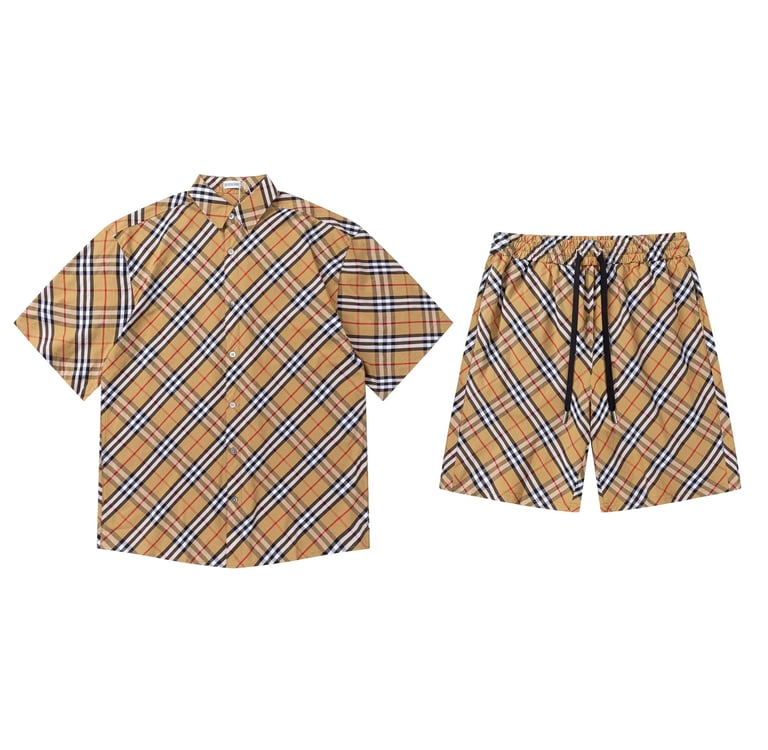
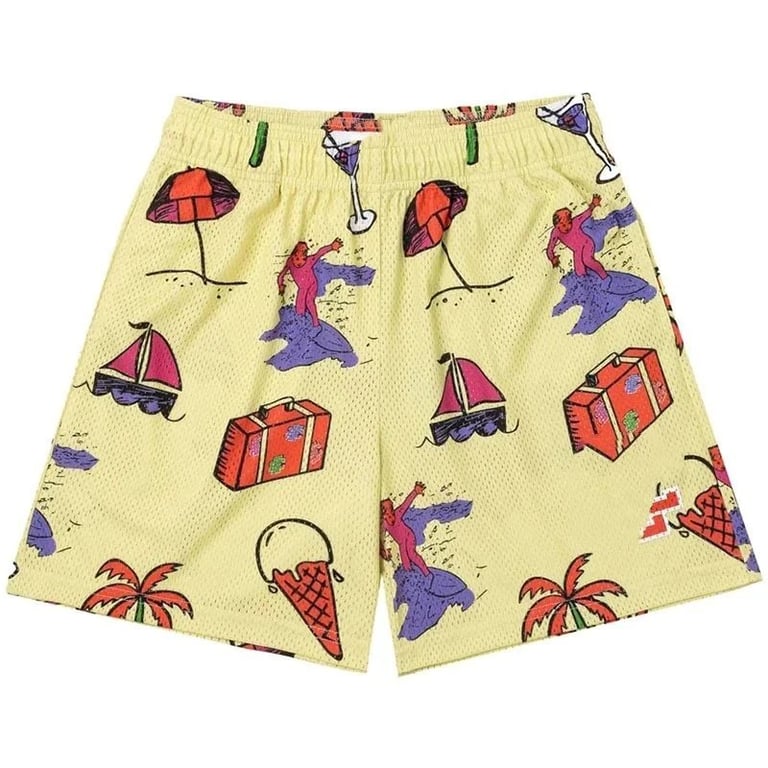
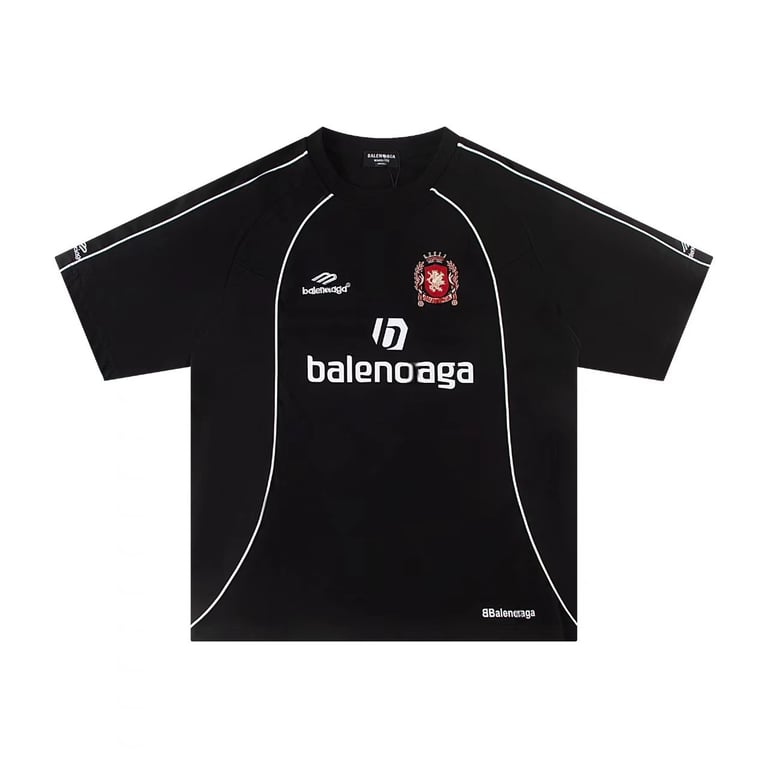
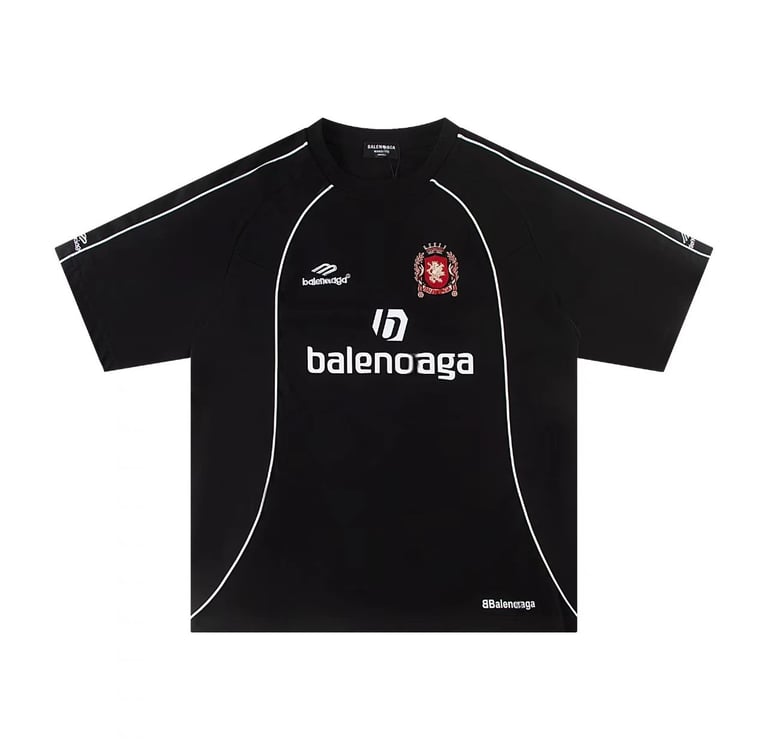


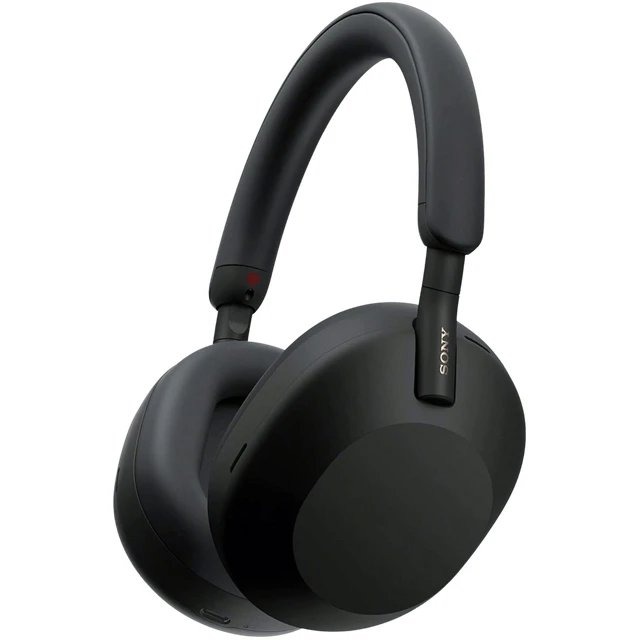
Using Bbdbuy links to access hidden supplier products
In cross-border ecommerce sourcing, many of the most valuable products are not immediately visible in standard catalog browsing. Suppliers often hide or limit exposure of certain items due to stock strategy, testing phases, regional distribution, or selective B2B availability. For retailers and dropshippers, these “hidden supplier products” can represent early opportunities with lower competition and higher margin potential.
The Bbdbuy links system, when used alongside the Bbdbuy spreadsheet, provides a structured way to access these less visible product layers directly from supplier environments. Instead of relying only on publicly surfaced listings, users can move deeper into supplier inventories and uncover products that are not widely indexed or promoted.
This article explains how Bbdbuy links help users access hidden supplier products and how to use them effectively in sourcing workflows.
What are “hidden supplier products” in ecommerce sourcing
Hidden supplier products refer to items that are not prominently displayed in standard browsing interfaces or mainstream product feeds. These products may exist within supplier systems but are:
Not actively promoted in public listings
Limited to specific buyer access paths
Newly added and not yet indexed widely
Temporarily de-emphasized due to inventory strategy
Visible only through direct navigation or structured links
In many cases, these products are already available for sourcing but remain under-discovered by general market participants.
This creates an advantage for users who can access them early through structured systems like Bbdbuy links.
How Bbdbuy links connect to deeper supplier layers
Within the Bbdbuy spreadsheet, each product entry is often paired with a corresponding Bbdbuy links pathway. These links are not just external references—they function as direct access routes into supplier ecosystems.
Instead of browsing general product pages, users can use Bbdbuy links to:
Enter specific product-level supplier pages
Access deeper catalog structures
Reach variations or bundled listings not shown in summaries
Navigate to less visible inventory sections
This structured access reduces the dependency on surface-level product discovery and enables deeper sourcing exploration.
Step 1: Identifying partially hidden listings in Bbdbuy spreadsheet
The first step in accessing hidden products is recognizing which entries in the Bbdbuy spreadsheet are likely linked to deeper supplier inventory.
These often include:
Products with limited visible variations
Listings with minimal descriptive data
Items marked with evolving or updated supplier information
Entries that appear across multiple supplier paths but lack full details
These signals suggest that the visible listing is only a partial representation of the supplier’s full inventory.
At this stage, Bbdbuy links become essential for deeper inspection.
Step 2: Using Bbdbuy links to expand product visibility
When users open a product through Bbdbuy links, they often gain access to expanded supplier views that are not visible in spreadsheet summaries.
These expanded views may include:
Additional product variations (colors, bundles, sizes)
Extended catalog categories within the same supplier
Related products grouped under the same manufacturing line
Seasonal or limited availability items
This expanded visibility allows users to discover products that were not initially apparent in the Bbdbuy spreadsheet.
It effectively transforms a static dataset into a dynamic sourcing environment.
Step 3: Discovering related hidden products within supplier ecosystems
One of the most powerful features of using Bbdbuy links is the ability to discover related products once inside a supplier’s ecosystem.
Suppliers often organize products in clusters rather than isolated listings. By entering through a single link, users may uncover:
Product families with multiple variations
Bundled or upgraded versions of core items
Similar items targeting different buyer segments
Newly added products not yet reflected in spreadsheets
This cluster-based structure allows users to expand sourcing opportunities beyond the original listing.
In many cases, the most profitable items are not the entry product itself, but the related hidden variations discovered afterward.
Step 4: Identifying early-stage or unlisted products
Hidden supplier products often include early-stage listings that are not fully integrated into public catalogs.
Through Bbdbuy links, users may encounter:
Newly uploaded products not yet categorized
Experimental product variations
Items undergoing pricing or packaging adjustments
Products temporarily excluded from main listings
These early-stage products can offer significant advantages because they are less likely to be saturated in the market.
However, they also require careful validation before sourcing decisions are made.
Step 5: Validating hidden products for sourcing feasibility
Not all hidden products are suitable for ecommerce use. Some may be incomplete, unstable, or not ready for large-scale distribution.
Using Bbdbuy links, users should evaluate:
Real-time availability and stock consistency
Stability of pricing across variations
Completeness of product specifications
Supplier responsiveness and update frequency
This validation ensures that hidden products are not only discoverable but also operationally viable.
Without this step, users risk selecting products that cannot be reliably sourced.
Step 6: Combining spreadsheet signals with hidden product discovery
The Bbdbuy spreadsheet provides structured signals such as repetition patterns, category clustering, and update frequency. However, hidden product discovery adds another layer of sourcing depth.
A combined approach includes:
Using spreadsheet signals to identify promising product categories
Using Bbdbuy links to explore deeper supplier inventory
Discovering related or hidden product variations
Validating real sourcing potential before selection
This dual-layer system significantly improves sourcing accuracy and product discovery depth.
Common mistakes when accessing hidden supplier products
Users often misinterpret or misuse hidden product access features.
Common mistakes include:
Assuming all hidden products are high-value opportunities
Ignoring validation steps after discovery
Focusing only on novelty without demand potential
Skipping Bbdbuy spreadsheet context before using links
Overloading sourcing pipelines with unverified products
Effective use of hidden product access requires balance between exploration and validation.
Practical workflow for discovering hidden products
A structured workflow using Bbdbuy links includes:
Identify candidate products in Bbdbuy spreadsheet
Select entries with limited visible detail or variations
Open supplier pathways through Bbdbuy links
Explore related product clusters and variations
Identify additional hidden listings within supplier ecosystem
Validate availability, pricing, and stability
Shortlist viable products for testing
This process transforms sourcing from surface-level browsing into deeper product discovery.
Conclusion
The Bbdbuy links system provides access to deeper supplier layers that are often not visible in standard ecommerce browsing or spreadsheet summaries. By enabling users to explore hidden listings, product clusters, and early-stage inventory, it significantly expands sourcing opportunities.
When combined with the Bbdbuy spreadsheet, it creates a powerful dual-layer system: structured product identification followed by deep supplier exploration and validation.
In competitive ecommerce environments, the ability to access and evaluate hidden supplier products early can provide a meaningful advantage in discovering low-competition, high-potential items.